
Các loại khẩu trang và mặt nạ
Chọn Khẩu Trang hoặc Mặt Nạ cho các Tình Huống Khác Nhau
Masks and respirators ( i. e., specialized filtering masks such as ” N95s ” ) can provide different levels of protection depending on the type of mask and how they are used. Loosely woven cloth products provide the least protection, layered finely woven products offer more protection, well-fitting disposable surgical masks and KN95s offer even more protection, and well-fitting NIOSH-approved respirators ( including N95s ) offer the highest level of protection .
Whatever product you choose, it should provide a good fit ( i. e., fitting closely on the face without any gaps along the edges or around the nose ) and be comfortable enough when worn properly ( covering your nose and mouth ) so that you can keep it on when you need to. Learn how to improve how well your mask protects you by visiting CDC’s Improve How Your Mask Protects You page .
A respirator has better filtration, and if worn properly the whole time it is in use, can provide a higher level of protection than a cloth or procedural mask. A mask or respirator will be less effective if it fits poorly or if you wear it improperly or take it off frequently. A respirator may be considered in certain situations and by certain people when greater protection is needed or desired .
- When caring for someone who is sick with COVID-19.
- If you are at increased risk for severe illness, for example, people who are immunocompromised, older adults, and people with certain underlying medical conditions.
- When working at a job where you interact with large numbers of the public, especially when not everyone is consistently wearing a mask. For example, bus drivers and grocery store workers.
- When riding on planes, buses, trains, or other forms of public transportation*, especially if it is for a long period of time on crowded conveyances.
- When physical distancing is not possible or when you are in crowded indoor or outdoor public settings.
- If you are not up to date on COVID-19 vaccinations.
*Lưu ý: Các tùy chọn được liệt kê trên trang này có thể được sử dụng để đáp ứng các yêu cầu của Lệnh Đeo Khẩu Trang của CDC đối với phương tiện giao thông công cộng. Tìm hiểu thêm về các thuộc tính của khẩu trang cần thiết để đáp ứng các yêu cầu của Lệnh tại trang web này.
Bạn đang đọc: Các loại khẩu trang và mặt nạ
Khẩu trang
When choosing a mask, look at how well it fits. Gaps can let air with respiratory droplets leak in and out around the edges of the mask. Gaps can be caused by choosing the wrong size or type of mask and when a mask is worn with facial hair .
It is important to check that it fits snugly over your nose, mouth, and chin .
- Kiểm tra các kẽ hở bằng cách khum bàn tay quanh các mép ngoài của khẩu trang.
- Đảm bảo không có không khí thoát ra từ chỗ gần mắt của quý vị hoặc từ các cạnh của khẩu trang.
- Nếu khẩu trang vừa khít, quý vị sẽ cảm thấy không khí ấm đi qua mặt trước của khẩu trang và có thể thấy chất liệu khẩu trang chuyển động lên xuống theo từng nhịp thở.
Khẩu trang vải
Khẩu Trang Vải có thể được làm từ nhiều loại vải, do đó, có nhiều loại khẩu trang vải khác nhau.
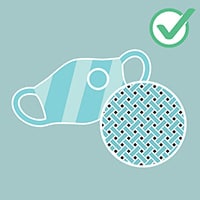
Đeo khẩu trang vải
- A proper fit over your nose, mouth, and chin to prevent leaks
- Nhiều lớp vải dệt chặt và thoáng khí
- Gọng mũi
- Chặn được ánh sáng khi giơ ra dưới nguồn ánh sáng
Xem thêm: “Cạp đất mà ăn” – liệu đất có ăn được?
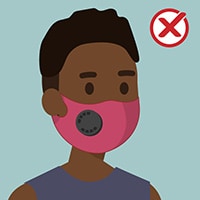
KHÔNG đeo khẩu trang bằng vải
- Có khoảng trống quanh hai bên mặt hoặc mũi
- Có van thở, lỗ thông hơi hoặc các lỗ thở khác (xem ví dụ)
- Chỉ có một lớp vải hoặc những loại vải mỏng không chặn được ánh sáng
- Khi vật liệu bị ướt hoặc bẩn
Source: https://laodongdongnai.vn
Category: Thị Trường